

Cart
0
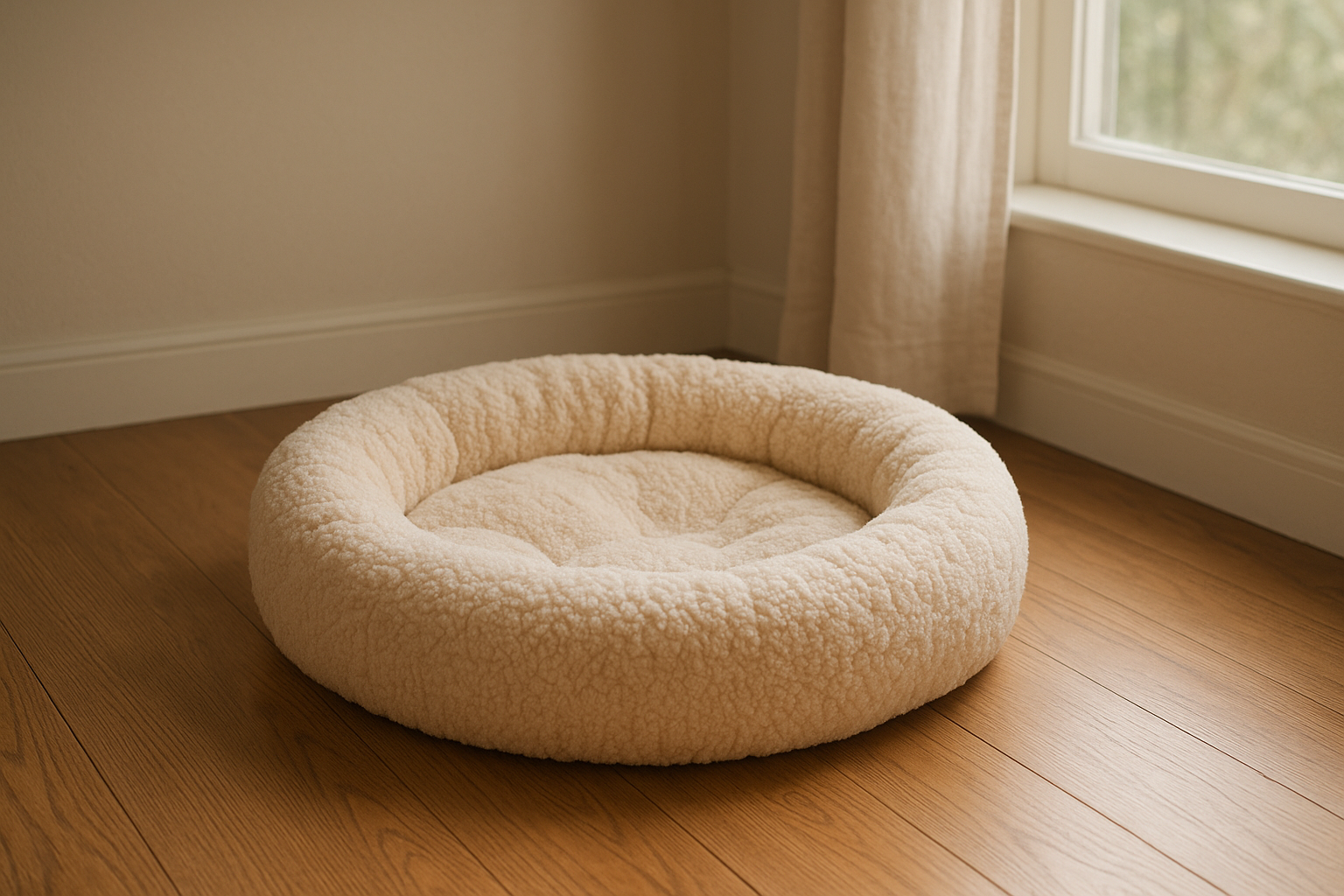
A dog bed is one of the most important purchases you will make for your pet, yet many owners pick one based on looks alone rather than support, size, or material. However, the right dog bed can improve sleep quality, ease joint pressure, and even reduce anxiety in nervous dogs. In this guide, we will walk through exactly how to choose, use, and maintain a dog bed so your pup gets the rest they deserve.
Quick Answer: The best dog bed matches your dog's size, sleep position, and age, with orthopedic memory foam recommended for larger or senior dogs and plush or donut-style beds suited to smaller, anxious dogs. Look for removable, machine-washable covers and durable seams for lasting comfort.
What Is a Dog Bed and Why Does It Matter?
A dog bed is a cushioned resting surface designed specifically for a dog's body weight, sleeping habits, and joint support needs. Unlike a blanket tossed on the floor, a proper dog bed distributes pressure evenly and keeps your pet off cold or hard flooring. As a result, dogs that use a supportive bed often show fewer signs of stiffness, especially as they age. Furthermore, sleep quality plays a bigger role in canine health than many owners realize. According to the American Kennel Club, adult dogs sleep an average of 12 to 14 hours a day, with puppies and senior dogs needing even more rest. Consequently, the surface they sleep on for most of the day directly affects their joints, temperature regulation, and overall behavior.
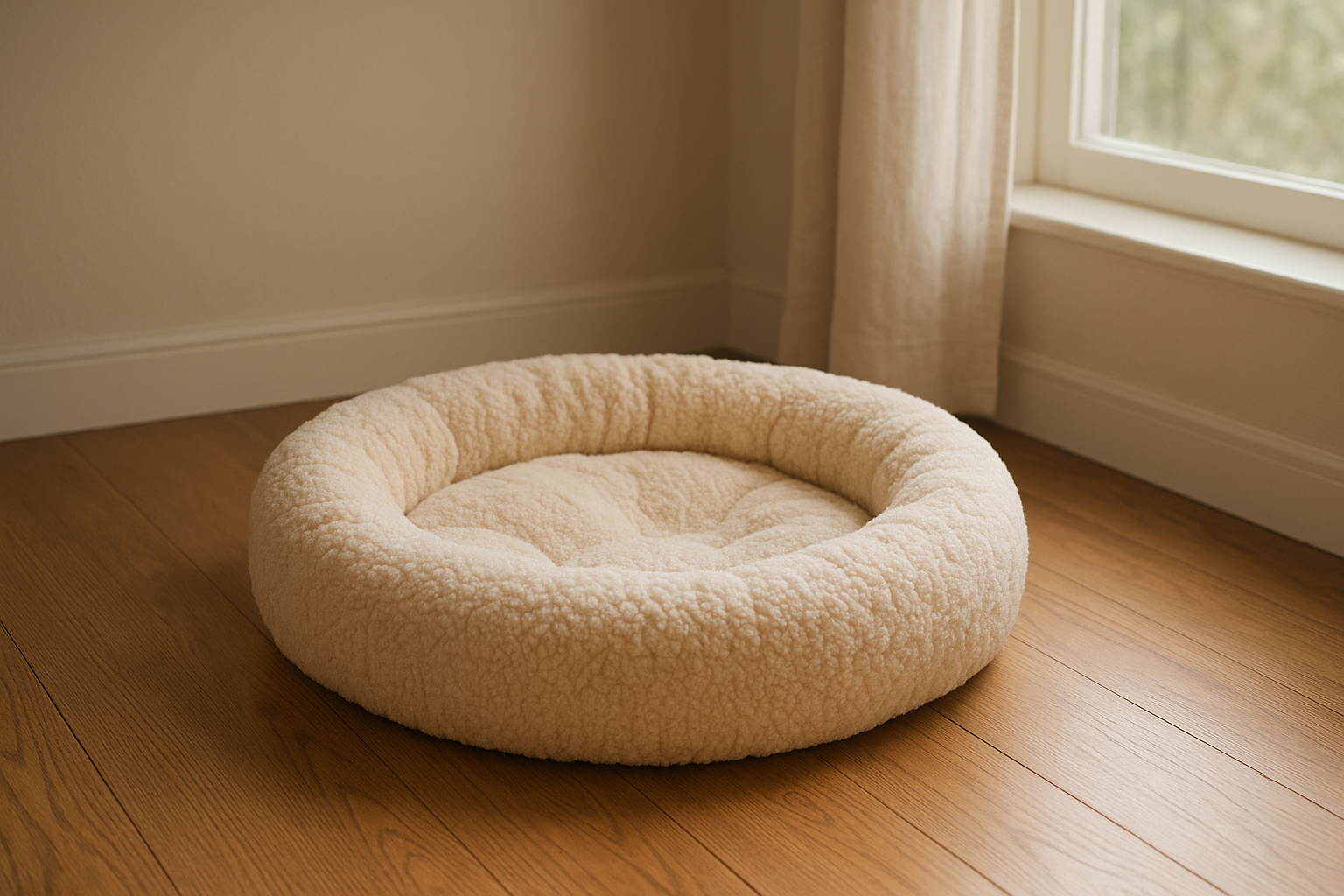
A well-placed dog bed gives your pet a quiet, comfortable spot to rest throughout the day.
How Do You Choose the Right Bed for Your Dog?
Choosing correctly starts with understanding your dog's size, sleep style, and any joint concerns. In particular, a bed that is too small forces your dog to curl into unnatural positions, while one that is too large may not provide the enclosed feeling some breeds prefer.
Match the Bed to Your Dog's Size and Sleep Style
Start by measuring your dog from nose to tail while lying down, then add 6 to 12 inches for extra lounging space. Dogs that sprawl out need rectangular beds, whereas dogs that curl into a ball often prefer round, donut-style designs like the plush donut round dog kennel bed, which cradles the body with raised sides.
Choose Materials That Support Comfort and Durability
Memory foam and high-density orthopedic fill work best for larger or senior dogs because they reduce pressure on hips and joints. In contrast, smaller and younger dogs often do fine with plush sherpa or cotton-blend filling, such as the semi-closed ice velvet deep sleep bed. Above all, prioritize a removable, machine-washable cover, since this single feature extends the life of any dog bed significantly.
What Types of Dog Beds Are Available?
Not all dog beds serve the same purpose, so it helps to understand the main categories before shopping. Below is a quick breakdown of common styles you will find:
- Orthopedic beds: Best for senior dogs or breeds prone to hip dysplasia.
- Donut or cuddler beds: Ideal for anxious dogs that like to curl up, similar to this calming donut cuddler bed.
- Elevated or cooling beds: Suited for warmer climates or dogs prone to overheating.
- Nest-style beds: Great for small breeds, such as the winter warm round nest bed.
- All-season beds: Versatile options like the four-seasons universal warm pet bed, which works year-round.
What Are the Benefits of a Comfortable Sleeping Space for Dogs?
A supportive resting spot does more than look nice in your living room. Specifically, it can reduce joint strain, minimize anxiety, and even improve behavior by giving dogs a predictable, secure space to retreat to.
For example, the ASPCA notes that consistent routines, including a dedicated sleeping area, help dogs feel more settled in the household. Similarly, veterinarians often point to hip dysplasia, a joint condition detailed on Wikipedia, as a key reason to invest in supportive bedding for larger breeds. Therefore, a quality dog bed is not just a comfort item; it is a practical piece of preventive care.
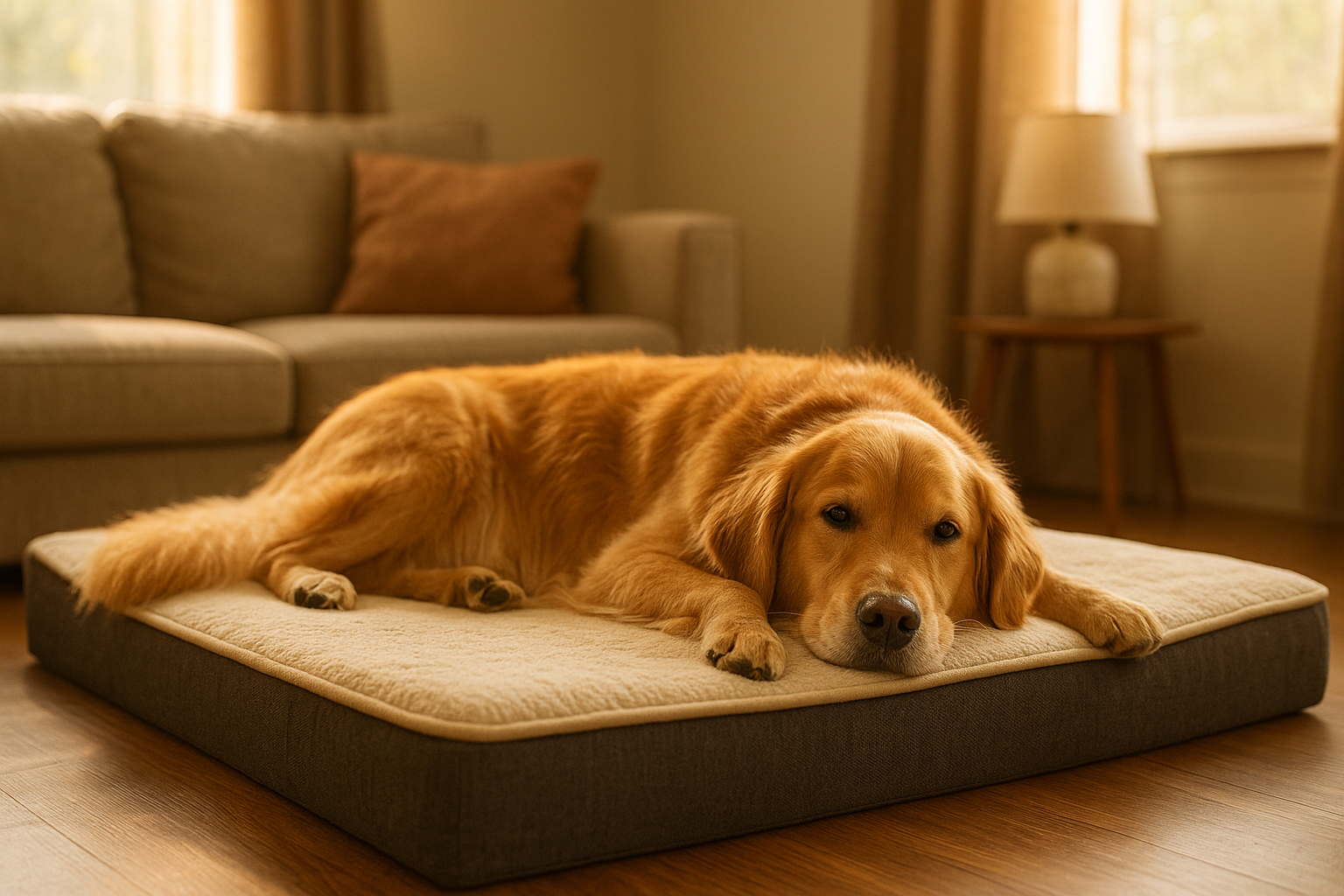
An orthopedic dog bed can ease pressure on joints for larger or senior dogs.
How to Clean and Maintain a Dog Bed
Regular cleaning keeps a dog bed fresh and free from allergens, and it also extends the product's lifespan. Below is a simple process you can follow every couple of weeks.
- Vacuum the surface thoroughly to remove loose hair and debris before washing anything.
- Check the care label to see whether the cover and filling are machine washable.
- Wash the removable cover separately using a mild, fragrance-free detergent in cold or warm water.
- Air-dry the filling completely in a well-ventilated space to prevent mold or odor buildup.
- Sprinkle baking soda between washes, let it sit briefly, then vacuum it off to neutralize smells.
Following these steps consistently means your dog's bed stays hygienic without needing frequent full replacements.
What Mistakes Should You Avoid When Shopping for a Dog Bed?
Even well-intentioned shoppers make avoidable errors when picking a dog bed. For instance, choosing a size based on breed averages rather than your individual dog's actual measurements often leads to a poor fit.
In addition, skipping washability features causes hygiene problems down the line, especially for dogs that shed heavily or spend time outdoors. Likewise, ignoring chew-resistance for puppies or heavy chewers can result in a destroyed bed within weeks. Finally, prioritizing style over joint support is a common misstep for owners of senior or large-breed dogs who need firmer, more structured cushioning.
Frequently Asked Questions About Dog Beds
What is a dog bed and why does my dog need one?
A dog bed is a dedicated cushioned resting spot designed to support your dog's joints, regulate body temperature, and provide a sense of security. Dogs sleep 12 to 14 hours a day on average, so a supportive bed directly affects their comfort and long-term joint health.
How do I choose the right size dog bed?
Measure your dog from nose to tail while lying down, then add 6 to 12 inches for lounging room. Bigger and senior dogs generally need more surface area to stretch out fully.
What is the best material for a dog bed?
Memory foam and orthopedic filling work best for senior or larger dogs, while plush sherpa and cotton blends suit smaller, active dogs. Look for removable, machine-washable covers regardless of the fill material.
How often should I wash a dog bed?
Wash the cover every one to two weeks and the entire bed every one to two months, depending on shedding and outdoor activity. Regular washing removes dander, odor, and dust mites that can trigger allergies.
How much does a good dog bed cost?
Quality dog beds typically range from $25 for basic cushioned options to $100 or more for orthopedic memory foam models. Price usually reflects fill quality, durability, and washable cover construction.
Are orthopedic dog beds worth it for older dogs?
Yes, orthopedic dog beds are worth it for senior dogs because they distribute weight evenly and reduce pressure on joints affected by arthritis. Veterinarians often recommend them for dogs recovering from surgery as well.
What is the difference between a dog bed and a crate pad?
A dog bed is a standalone cushioned surface meant for open-floor resting, while a crate pad is sized specifically to fit inside a kennel or carrier. Many owners use both depending on where the dog rests most.
How long does a dog bed usually last?
A well-made dog bed typically lasts 1 to 3 years with regular use, though high-density foam versions can last longer. Signs it needs replacing include flattened filling, torn seams, or persistent odor after washing.
Can a dog bed help with anxiety?
Yes, raised-rim or donut-style dog beds can help anxious dogs by creating a den-like, enclosed feeling that promotes calm. This design mimics the security dogs seek when curling up in small spaces.
What common mistakes do people make when buying a dog bed?
The most common mistakes are choosing a bed that is too small, ignoring washability, and picking style over support for joint health. Skipping chew-resistant materials for puppies or heavy chewers is another frequent error.
Should puppies and adult dogs use the same type of bed?
Puppies generally do better with smaller, durable, chew-resistant beds since they outgrow sizes quickly and may chew fabric. Adult and senior dogs benefit more from larger, supportive orthopedic designs.
How do I stop my dog from chewing their bed?
Choose beds made with reinforced stitching and tear-resistant fabric, and redirect chewing behavior with appropriate toys nearby. Consistent training paired with a durable bed reduces destructive chewing over time.
Where should I place my dog's bed in the house?
Place the bed in a quiet, draft-free corner away from heavy foot traffic so your dog feels secure while resting. Many dogs also appreciate having a bed in a family room to stay close to household activity.
Final Thoughts on Choosing the Best Dog Bed
Ultimately, picking the right dog bed comes down to knowing your dog's size, age, and sleep habits, then matching those needs to the right material and style. Whether your pet prefers a snug donut cuddler or a firm orthopedic base, a well-chosen dog bed supports better sleep, healthier joints, and calmer behavior over time.
As you shop, remember to prioritize washable covers, durable seams, and appropriately sized cushioning over style alone. You can browse a full range of cozy, easy-care options, including beds that support animal welfare causes, at Bark & Biscuit Co., where every purchase also contributes to rescue and sanctuary efforts. In short, investing a little extra thought into a dog bed today pays off in years of better rest for your best friend.
