index
WELCOME TO OUR STORE - SHOP NOW

Choosing the right pet grooming comb brush is one of the simplest ways to keep your dog or cat healthy, comfortable, and shedding-free all year round. Whether you are battling stubborn mats, seasonal shedding, or you simply want a calmer way to bond with your pet, the right tool changes everything. In this guide, we will cover every angle a shopper actually needs: how to pick a comb brush for your pet's exact coat type, the correct grooming technique, the real health benefits behind regular brushing, and the specific features that separate a great pet grooming comb brush from a mediocre one.

Why Every Pet Needs a Pet Grooming Comb Brush

Regular brushing is not just cosmetic. In fact, it is one of the most overlooked forms of preventive pet healthcare. A quality pet grooming comb brush pulls loose fur away before it is swallowed or shed around the house, which helps reduce hairballs in cats and digestive blockages in dogs. Furthermore, consistent brushing prevents mats from forming near the skin, where they can pull, pinch, and even trap moisture that leads to hot spots or infection.

Beyond hygiene, brushing time doubles as a hands-on health check. As a result, you are far more likely to notice a new lump, a flea, a tick, or a patch of irritated skin while combing than during any other daily routine. According to the ASPCA's grooming guidance, routine coat care is considered essential preventive care, not an optional luxury. Above all, a good comb brush turns a chore into a moment of connection your pet will actually look forward to.

Pet grooming comb brush with soft massage bristles for dogs and cats

Introducing the Pet Grooming Massage Hair Removal Comb Brush

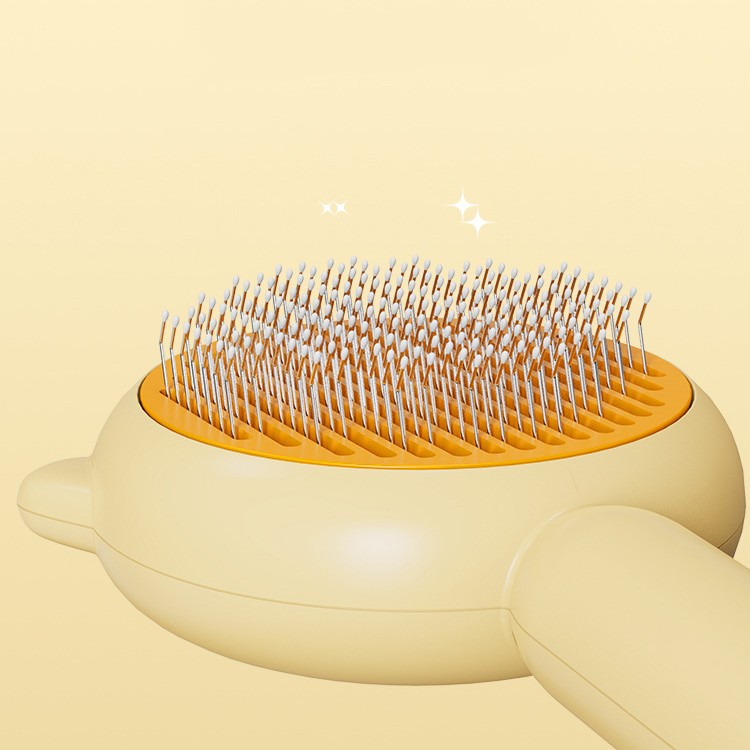
Our Pet Grooming Massage Hair Removal Comb Brush was built to solve two problems at once: shedding control and stress-free grooming. Unlike a basic comb, it pairs fine-tooth hair removal with a gentle massage action, so your pet relaxes into the process instead of squirming away from it.

Features and Specifications at a Glance

  • Regular Combing: Helps avoid excess hair ingestion, which lowers the risk of hairballs in cats and digestive upset in dogs.
  • Anti-Knotting Bristles: Prevent hair from tangling, keeping the coat smooth and shiny between grooming sessions.
  • Massage Health Benefits: Promotes blood circulation and relaxation, turning grooming into a genuine pampering session rather than a battle.
  • Material and Design: Constructed from durable, easy-clean ABS plastic and stainless steel, available in green, yellow, or purple.
  • Lightweight Build: At just 83 grams, it is easy to control during longer grooming sessions with minimal hand fatigue.
  • Compact Size: Measuring 195 x 94 x 46 mm, it is sized for a comfortable, secure grip for most hand sizes.

With this pet grooming comb brush, you are not simply removing loose fur — you are bonding with your pet. Because pets thrive on affection and touch, this tool lets you spend quality time together while keeping their coat looking its healthy best.

Close-up view of a pet grooming massage comb brush removing loose fur

The Different Types of Pet Grooming Brushes and Combs

Not every grooming tool does the same job. Specifically, most pet owners eventually need more than one brush in their kit, since coat type, shedding level, and grooming goals all change what "best" actually means. Below is a breakdown of the main categories, along with where each one fits into a complete grooming routine.

Massage and Detangling Combs

These combine fine teeth with rounded, skin-safe tips. Our silicone massage brush and deodorizing comb is a strong example, since it doubles as a cleaning and massage tool in one handle.

Deshedding Brushes

Designed specifically for undercoat removal, a dedicated grooming brush for removing loose and dead hair reaches deep into double coats without damaging the topcoat, which is essential for heavy shedders during spring and fall.

Cat-Specific Grooming Combs

Cats generally prefer softer, slower strokes. A cat comb designed for hair removal and massage works especially well because it mimics the sensation of gentle scratching, which most cats already enjoy.

Bath Brushes

A silicone bath brush for dogs works shampoo deep into the coat while loosening dirt and dead hair, which makes the post-bath brushing step noticeably faster.

Vacuum Attachment Brushes

For households drowning in shed fur, a pet grooming vacuum brush attachment collects loose hair directly during brushing, so it never hits the floor in the first place.

How to Choose a Comb Brush for Your Pet's Coat Type

Coat Type Recommended Tool Why It Works
Short, smooth coats Massage comb brush Gentle bristles lift loose hair without irritating close-to-skin coats.
Long or silky coats Detangling comb Fine teeth work through length without snapping or pulling strands.
Double coats (huskies, retrievers) Deshedding brush Reaches the dense undercoat responsible for heavy seasonal shedding.
Curly or wiry coats Slicker-style comb brush Separates curls and prevents matting before it starts.

How to Use a Pet Grooming Comb Brush: Step-by-Step

Technique matters just as much as the tool itself. Therefore, follow these five steps to get the most out of any pet grooming comb brush while keeping the experience comfortable for your pet.

  1. Inspect the coat and skin first. Check for mats, ticks, or irritated patches before you begin, so you can adjust pressure and avoid aggravating any sore spots.
  2. Brush in the direction of hair growth. Use light, even strokes and take extra care near sensitive areas like the belly, ears, and base of the tail.
  3. Detangle mats section by section. Hold the fur close to the skin while working through knots gradually, which prevents painful tugging on tender skin.
  4. Add a relaxing massage pass. Use slow, circular motions across the back and shoulders to boost circulation and help your pet settle into the routine.
  5. Clean and dry the comb brush. Rinse under warm water, remove trapped fur from the bristles, and let it air dry fully before storing it for next time.

The Real Health and Bonding Benefits of Regular Brushing

One standout advantage of a well-designed grooming comb is its dual-purpose function. The ergonomic handle allows for a comfortable grip during longer sessions, which particularly benefits owners with multiple pets or anyone who enjoys a slower, more deliberate grooming ritual. In addition, gentle bristles capture loose hair while soothing the skin, which supports circulation and a naturally healthier coat over time.

Consequently, regular use significantly reduces shedding around the house. Anyone who has battled pet hair on furniture and clothing knows the relief of a consistent brushing schedule. Similarly, this comb brush adapts well to pets of nearly any size or coat type, whether you own a long-haired Maine Coon or a short-haired Beagle, gliding through tangles and gently working out mats.

Above all, grooming is about more than appearance. Regular sessions with a proper comb brush help you catch skin irritation, bumps, or parasites early, before they become serious problems. The American Kennel Club's brushing guidance echoes this point directly, noting that routine brushing doubles as an early-warning health check. Meanwhile, the massage element helps reduce stress and anxiety, turning grooming into genuine bonding time rather than a stressful chore — a topic also explored on Wikipedia's overview of dog grooming.

What Pet Owners Are Saying: Real Testimonials

"I've never seen my cat enjoy grooming time as much as she does now! The massage feature is a game-changer, and the hair removal is fantastic!" — Sarah L.
"This comb is a lifesaver! My dog used to hate getting brushed, but now he relaxes and loves it. Plus, less hair on my clothes!" — John M.
"Max used to dread grooming time, but ever since I started using this brush, he actually looks forward to it! I've noticed a huge drop in the hair stuck to my furniture." — Sarah, Golden Retriever owner
"I have two cats, and one has long fur that mats easily. This brush glides through his fur effortlessly, and he purrs while I groom him. It's also easy to clean." — Tom

Happy dog being groomed with a pet grooming comb brush

Cleaning, Care, and Maintenance Tips

A comb brush is only as effective as its upkeep. In particular, rinse the bristles under warm water after every session to clear away trapped hair and debris. For a deeper clean, use a mild pet-safe soap once a week, then let the tool air dry completely before storing it. Because the materials are durable ABS and stainless steel, this brush withstands frequent washing without warping or dulling, making it a genuinely long-term investment rather than a disposable tool.

Comb Brush vs. Slicker Brush vs. Deshedding Tool: Which Wins?

In contrast to a single-purpose slicker brush, a massage comb brush handles detangling and circulation support in one pass. A dedicated deshedding tool, however, still earns its place in a full grooming kit for pets with heavy double coats, since it reaches the undercoat more aggressively. Specifically, most experienced pet owners rotate between two or three tools: a comb brush for daily maintenance, a deshedding brush for seasonal blowouts, and a bath brush for wash day. Together, these tools cover every grooming scenario far more completely than relying on one generic brush alone.

Frequently Asked Questions About Pet Comb Brushes for Dogs and Cats

What is the best pet grooming comb brush for shedding?

A comb brush that pairs fine teeth with rounded massage bristles is generally best, since it lifts loose undercoat hair while remaining gentle on the skin. For heavy shedders, pairing it with a dedicated deshedding brush produces the fastest results.

How often should I use a pet grooming comb brush on my dog or cat?

Most short-haired pets do well with two to three sessions per week, while long-haired or double-coated pets benefit from daily brushing, especially during spring and fall shedding seasons.

Can the same comb brush be used for both cats and dogs?

Yes, in most cases. A massage comb brush with adjustable pressure and soft bristles works well across species, though cats generally prefer slower, lighter strokes than dogs.

Will a grooming comb brush hurt my pet if they have mats?

It shouldn't, as long as you work slowly and hold the fur close to the skin while detangling. For severe mats, trim carefully with scissors first or consult a professional groomer.

How do I clean a pet grooming comb brush after use?

Rinse the bristles under warm water after each session, remove trapped fur by hand, and let it air dry fully before your next grooming session to keep bristles hygienic.

What's the difference between a grooming comb and a slicker brush?

A comb typically has evenly spaced teeth for detangling, while a slicker brush uses fine wire bristles for lifting loose undercoat. Many owners use both as part of one routine.


Final Thoughts: Give Your Pet the Grooming Comb Brush They Deserve

In short, a great pet grooming comb brush does far more than tidy up loose fur. It supports skin health, reduces shedding around the house, and gives you a quiet, calming ritual to share with your pet. Whether you choose a massage comb, a deshedding brush, or a full rotation of grooming tools, the goal stays the same: a healthier, happier pet and a cleaner home. Explore the Pet Grooming Massage Hair Removal Comb Brush today and turn grooming time into your pet's new favorite part of the day.