index
WELCOME TO OUR STORE - SHOP NOW

Choosing the right pet carriers can mean the difference between a calm, comfortable trip and a stressful one for both you and your animal companion. Whether you're heading to the vet, boarding a flight, or exploring a hiking trail, the carrier you pick affects your pet's safety, airflow, and overall stress level. In this guide, Bark And Biscuit Co. breaks down every type of pet carrier available today, how to size one correctly, which features actually matter, and how to get your pet comfortable using one — so you can travel with total confidence.

What Makes a Great Pet Carrier? Key Features to Look For

Not every carrier on the market is built the same way, and that's exactly where many buyers get stuck. A quality pet carrier should offer proper ventilation, a secure locking mechanism, cushioned interior padding, and enough room for your pet to stand, turn around, and lie down comfortably. In addition, look for reinforced stitching, spill-proof bases, and washable liners, since these details determine how well a carrier holds up over months or years of regular use.

Furthermore, weight distribution matters more than most owners realize. For example, a carrier with a sturdy, structured base prevents sagging when your pet shifts position mid-journey. As a result, your pet stays balanced and calm instead of feeling like the carrier is unstable beneath them.

Types of Pet Carriers Explained

Understanding the different categories of pet carriers helps you match the right product to your lifestyle, your pet's size, and how you plan to travel. Below is a breakdown of the most common styles available today.

Soft-Sided Pet Carriers

Soft-sided carriers are lightweight, foldable, and typically the most affordable option for cats and small dogs. Because they compress flat for storage, they're a favorite for owners who travel occasionally rather than daily. Our foldable hand-held cat carrier bag is a great example — it's easy to store, gentle on smaller pets, and simple to clean after use.

Hard-Sided (Hard Shell) Pet Carriers

Hard-sided carriers offer maximum structural protection, which makes them ideal for car travel, air cargo, or larger, more active pets. Unlike soft carriers, they resist crushing and puncturing, so they hold their shape even under pressure. If your priority is durability during road trips, our portable pet carrier for car travel is designed specifically for this purpose, with secure attachment points and a stable, non-slip base.

Backpack Pet Carriers for Hiking & Outdoor Adventures

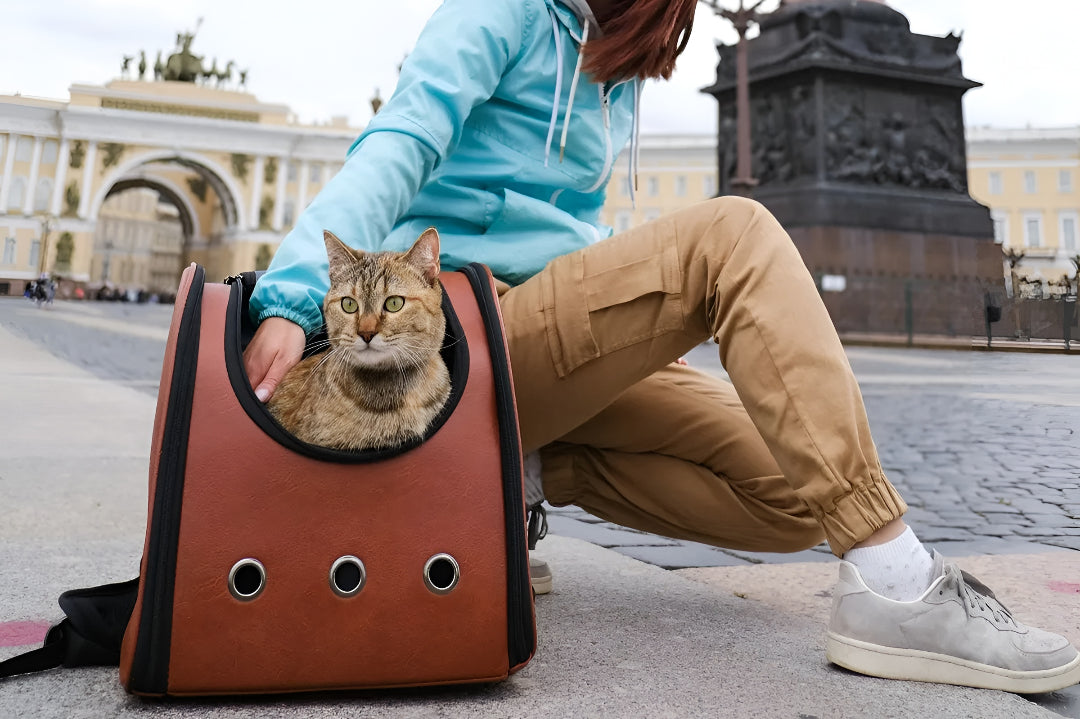
Backpack-style carriers have grown rapidly in popularity, especially among owners who hike, bike, or commute with smaller pets. These carriers distribute weight across your shoulders rather than one hand, which keeps you comfortable on longer outings. Our portable travel backpack outdoor pet carrier bag includes mesh ventilation panels and safety leash clips, so your dog stays secure even on uneven terrain.

Rolling and Wheeled Pet Carriers

Rolling carriers combine wheels with a removable handle, making them useful for airport terminals or long walks where carrying weight becomes tiring. Consequently, these are often chosen by owners with larger cats or senior pets who need extra support but don't require a full crate.


How to Choose the Right Pet Carrier Size

Sizing is one of the most overlooked steps when shopping for pet carriers, yet it directly affects your pet's comfort. To measure correctly, start by measuring your pet's length from nose to tail base, then add four to six inches for comfortable movement. Similarly, measure your pet's height while standing and add two to three inches to ensure they can sit upright without their head touching the top.

Quick sizing rule: Your pet should be able to stand, turn in a full circle, and lie down flat inside the carrier without touching the sides.

In particular, cats and small dogs typically do best in carriers rated for pets under 15 pounds, while medium dogs need carriers built for 15–25 pounds. Above this range, most experts recommend a hard-sided crate rather than a standard carrier.

Are Your Pet Carriers Airline-Approved? What You Need to Know

If you're flying with a pet, not just any carrier will do. Airlines generally require carriers that fit under the seat in front of you, with specific maximum dimensions that vary by carrier. As a result, it's essential to check both your airline's policy and general guidance from aviation authorities before booking. The International Air Transport Association (IATA) publishes live animal transport standards that many airlines reference directly, while the U.S. Transportation Security Administration (TSA) outlines what to expect when passing through security checkpoints with a carrier.

For a deeper look at preparing for flights, road trips, and everything in between, our guide on traveling with pets made easy walks through documentation, timing, and comfort strategies step by step.

Pet Carrier Safety Features That Actually Matter

Safety should never be an afterthought when shopping for pet carriers. Above all, look for double-locking zippers, since single-zip designs can be nudged open by a curious paw. In addition, reinforced side panels prevent collapsing under pressure, and non-slip carrier bottoms reduce the chance of your pet sliding around during transit.

  • Locking zippers: Prevent accidental escapes during transit.
  • Mesh ventilation panels: Keep airflow steady without exposing your pet to drafts.
  • Structured base: Maintains shape so the carrier doesn't sag or collapse.
  • Seatbelt loops or car attachment points: Secure the carrier during road travel.
  • Removable, washable liners: Make cleanup fast after accidents or shedding.

According to the American Veterinary Medical Association (AVMA), pets should always be secured in an appropriate carrier during vehicle travel, since loose pets are a distraction risk and can be seriously injured during sudden stops.

Cats vs. Dogs: Do They Need Different Pet Carriers?

In short, yes — cats and dogs often have different comfort needs. Cats tend to prefer smaller, enclosed spaces that feel den-like and secure, which is why compact soft-sided designs like our foldable cat carrier bag work so well. Dogs, on the other hand, often benefit from more structured carriers or backpacks with wider ventilation, especially active breeds that get anxious in tight spaces.

Meanwhile, senior pets or those with joint issues generally do better in carriers with wide entry points, since climbing over a tall lip can be uncomfortable. Therefore, matching the carrier style to your pet's personality and physical needs is just as important as matching it to their size.


How to Introduce Your Pet to a Carrier (Step-by-Step)

Many pets associate carriers with stressful events like vet visits, which makes them resistant to going inside. However, a gradual introduction process can turn the carrier into a comfortable, familiar space. Follow these steps for the best results:

  1. Leave the carrier open at home for several days so your pet can explore it freely without pressure, sniffing and investigating it on their own schedule before any travel is involved.
  2. Add familiar bedding and treats inside the carrier to build a positive association, placing a favorite blanket or toy near the entrance to encourage curiosity and comfort.
  3. Practice short, calm sessions daily by gently placing your pet inside for a minute or two, praising calm behavior and gradually increasing the time spent inside over one to two weeks.
  4. Take short car rides using the carrier before any long trip, starting with a five-minute drive around the block so your pet associates the carrier with movement in a low-stress setting.

Caring for and Cleaning Your Pet Carrier

Regular cleaning keeps pet carriers hygienic and odor-free, which matters especially if your carrier is used weekly for vet visits or daily commutes. Ideally, wipe down interior surfaces after every use, and fully wash removable liners at least once a week, or immediately after any accidents.

Additionally, check zippers, seams, and buckles every few months for wear, since these components take the most stress during loading and unloading. As a result of routine inspection, you'll catch small issues before they become safety hazards on a trip.

Frequently Asked Questions About Pet Carriers

What are the best pet carriers for air travel?

The best pet carriers for air travel are soft-sided, under-seat compatible, and meet your specific airline's dimension requirements. Always confirm sizing directly with your airline before your flight date.

How do I measure my pet for a carrier size?

Measure your pet's length from nose to tail base, then measure their height while standing. Add a few extra inches to each measurement so your pet can stand, turn, and lie down comfortably inside.

Can I use a soft-sided carrier for a large dog?

Generally, soft-sided carriers are best suited for cats and dogs under 25 pounds. For larger breeds, a hard-sided carrier or crate provides more structural support and durability.

How often should I clean my pet carrier?

Wipe the interior after each use and fully wash removable liners at least weekly. Clean immediately after any accidents to prevent odor and bacteria buildup.

Are backpack pet carriers safe for cats?

Yes, as long as the backpack has secure ventilation, a stable base, and a safety leash clip inside. Introduce your cat gradually so they feel comfortable before longer outings.

What's the difference between a pet carrier and a pet crate?

Pet carriers are typically smaller, portable, and designed for short trips or air travel, while crates are larger, often used at home, and built for longer confinement or training. You can read more background on carrier design and history on Wikipedia's overview of pet carriers.


Final Thoughts: Finding the Best Pet Carriers for Every Journey

Ultimately, the right pet carriers make travel calmer, safer, and far more enjoyable for both you and your companion. Whether you need a lightweight soft-sided bag, a rugged hard-shell option for road trips, or a hands-free backpack for outdoor adventures, matching the carrier to your pet's size and temperament is the key to stress-free travel. Explore the full range at Bark And Biscuit Co. and find the carrier built for your pet's next adventure.