index
WELCOME TO OUR STORE - SHOP NOW

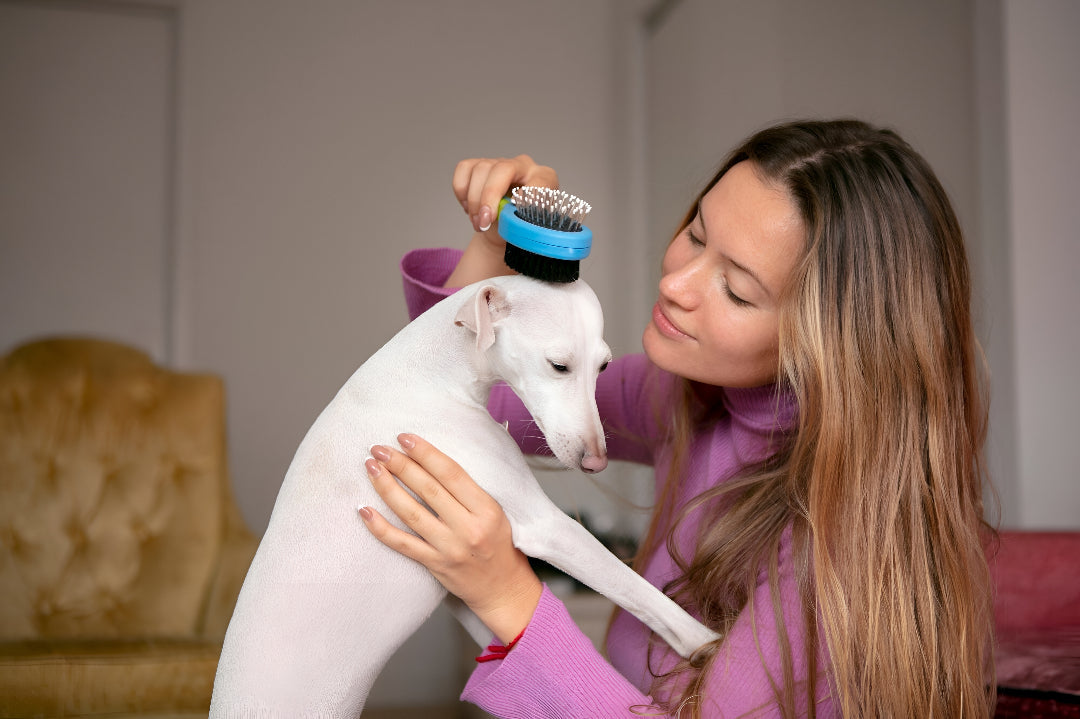
Pet grooming is one of the most important routines you can build into your animal's life, and it goes far beyond keeping fur looking tidy. In fact, consistent grooming protects your pet's skin, prevents painful matting, and often catches early signs of illness before they become serious. At Bark And Biscuit Co., we believe that pet grooming should be simple, safe, and even enjoyable — for you and your furry companion alike. This guide walks through everything you need to know, from brushing techniques by coat type to nail trimming, ear care, dental hygiene, and choosing the right tools for the job.

Why Pet Grooming Matters More Than You Think

Grooming is not simply cosmetic. According to the American Veterinary Medical Association, regular grooming helps veterinarians and owners spot lumps, parasites, skin infections, and dental disease earlier than they might otherwise notice. As a result, small problems get treated before they turn into costly emergencies. Furthermore, grooming sessions build trust between pets and their owners, since gentle handling of paws, ears, and teeth teaches animals that touch is safe and calming rather than stressful.

In addition, proper grooming directly affects a pet's comfort. Matted fur can pull on skin and cause pain, while overgrown nails alter how a dog or cat walks, sometimes leading to joint strain over time. Consequently, a thoughtful grooming routine is a health investment, not just a beauty ritual.


The Complete Pet Grooming Checklist

A thorough pet grooming routine covers five core areas: coat care, bathing, nails, ears, and teeth. Below, each area is broken down so you can build a routine that fits your pet's specific needs.

Brushing by Coat Type

Not every coat needs the same tool or the same frequency of brushing. For example, short-haired breeds like Beagles or domestic shorthair cats generally do well with a weekly brush using a soft rubber curry tool, such as our Pet Bath Brush with Massage Rub, which loosens dead hair while gently massaging the skin. Long-haired or double-coated breeds, on the other hand, often need brushing three to five times per week to prevent tangles and reduce shedding around the house.

Cats with dense undercoats especially benefit from a grooming tool designed for hair removal without scratching sensitive skin. Our Cat Comb & Massage Brush is built specifically to work through dense fur while doubling as a relaxing scratcher your cat will actually enjoy.

Bathing Frequency and Shampoo Selection

Most dogs need a bath every four to six weeks, although this varies depending on activity level, coat type, and skin condition. Cats, meanwhile, are largely self-grooming and typically require baths far less often — usually only when visibly dirty or advised by a veterinarian. In every case, use a pH-balanced shampoo formulated specifically for pets, since human shampoo can strip natural oils and irritate skin. Similarly, always rinse thoroughly, because leftover residue is a common cause of itching and hot spots.

Nail Trimming Without the Stress

Overgrown nails are more than a nuisance — they can force a pet's paw into an unnatural position, altering posture and gait over time. Therefore, most pets need a nail trim every three to four weeks. If you can hear nails clicking on hard floors, that is a reliable sign a trim is overdue. Go slowly, trim small amounts at a time, and keep styptic powder nearby in case you nick the quick.

Ear Cleaning and Dental Hygiene

Ears should be checked weekly for redness, odor, or excess wax, particularly in floppy-eared breeds that are prone to trapped moisture. Use a vet-approved ear cleaner and cotton rounds rather than cotton swabs, which can push debris deeper into the canal. Dental care matters just as much: according to the Merck Veterinary Manual, most dogs and cats show signs of dental disease by age three, so brushing teeth two to three times per week with pet-safe toothpaste can prevent painful buildup and costly extractions later on.


Choosing the Right Pet Grooming Tools

Having the right tools on hand transforms grooming from a chore into a quick, painless routine. Below are the essentials every pet owner should keep within reach.

  • A gentle massage brush — our Pet Bath Brush combines bathing and stimulation in one soft-bristle tool that pets tolerate well.
  • A shedding-control brush — the One-Click Hair Removal Brush lifts loose fur gently, reducing shedding without irritating sensitive skin.
  • A dual-purpose bath and massage brush — the Cat Claw Bath Brush works into wet fur during bath time to loosen dirt and dead hair simultaneously.
  • A vacuum-attachment grooming tool — the Pet Vacuum Cleaner Brush Attachment collects loose hair directly, which is ideal for heavy shedders and households managing pet allergies.
  • A hair-removal comb — the Cat Comb & Massage Brush works through mats and tangles gently, without pulling at the skin.

You can browse our full range of grooming essentials on the Bark And Biscuit Co. homepage, where every tool is selected specifically for comfort, durability, and ease of use.

How to Groom Your Pet at Home, Step by Step

Home grooming does not need to feel overwhelming. Follow this simple sequence to keep sessions calm and effective.

  1. Brush the coat thoroughly before bathing — removing loose fur and working out small tangles first prevents mats from tightening once fur gets wet.
  2. Bathe using lukewarm water and pet-safe shampoo — apply shampoo gently, avoid the eyes and ears, and rinse until the water runs completely clear.
  3. Dry completely with a towel or low-heat dryer — trapped moisture near the skin can lead to hot spots, so take extra time drying dense or double coats.
  4. Trim nails carefully in small increments — cut only the tip of the nail, checking frequently for the quick to avoid unnecessary bleeding or pain.
  5. Check and clean the ears — use a vet-approved solution on a cotton round and gently wipe the visible portion of the ear canal only.
  6. Finish with a dental wipe or brushing session — this closes out the routine by protecting gum health and reducing plaque buildup over time.

Professional Grooming vs. At-Home Pet Grooming

Many owners wonder whether professional grooming is necessary if they already groom at home. In truth, the two approaches work best together. Professional groomers are trained to handle severe matting, breed-specific haircuts, and expressing anal glands safely — tasks that can be difficult or risky for an untrained owner. However, at-home grooming between professional visits keeps coats manageable, strengthens the bond between pet and owner, and catches emerging issues early.

As a general guideline, dogs with high-maintenance coats benefit from a professional groom every four to eight weeks, while short-coated breeds and most cats may only need occasional professional attention. Either way, home maintenance in between visits is what actually keeps your pet comfortable day to day.

Grooming by Life Stage and Season

Grooming needs shift as pets age and as seasons change. Puppies and kittens, for instance, benefit from short, positive grooming sessions early on so they associate brushing and nail trims with calm rather than fear. Senior pets, in contrast, often develop thinner or more brittle coats and reduced mobility, meaning grooming sessions may need to be gentler and more frequent to prevent matting they can no longer manage through self-grooming.

Seasonal shedding, sometimes called "blowing coat," typically happens in spring and fall as pets adjust their fur density to temperature changes. During these periods, increasing brushing frequency to daily sessions helps manage loose fur before it ends up on furniture and clothing.

Common Pet Grooming Mistakes to Avoid

Even well-meaning owners can make mistakes that turn grooming into a stressful experience. Below are the most frequent errors worth avoiding.

  • Bathing too frequently, which strips natural oils and can dry out skin, leading to itchiness and irritation.
  • Using human shampoo or scissors, both of which are formulated or shaped incorrectly for pet skin and coat structure.
  • Skipping the undercoat during brushing, which allows mats to form beneath a healthy-looking top coat.
  • Cutting nails too short, risking pain and bleeding rather than trimming gradually over multiple sessions.
  • Ignoring ear odor or discharge, which often signals an infection that needs veterinary attention rather than home treatment alone.

Signs Your Pet Needs a Grooming Session Now

Sometimes it helps to know exactly when to schedule grooming rather than guessing. Watch for visible matting or tangles, a noticeably dull or greasy coat, nails clicking audibly on hard floors, a strong odor even after light cleaning, or excessive scratching and licking. Any of these signs indicate it is time to prioritize a grooming session, whether at home or with a professional. For more background on general coat and skin health, the Wikipedia overview of animal grooming offers useful additional context on why species groom the way they do.


Frequently Asked Questions About Pet Grooming

How often should pet grooming happen at home?

Most pets benefit from brushing two to five times per week, bathing every four to six weeks, and nail trims every three to four weeks, though exact needs vary by breed and coat type.

Is it safe to groom a cat the same way as a dog?

Not entirely. Cats generally need far less bathing since they self-groom, but they still benefit from regular brushing, nail trims, and ear checks using tools designed specifically for feline skin sensitivity.

What tools are essential for beginner pet grooming?

A soft massage brush, a shedding-control brush, nail clippers with styptic powder, and a vet-approved ear cleaner cover the core needs for most first-time groomers.

Can grooming reduce shedding around the house?

Yes. Consistent brushing removes loose undercoat fur before it falls out naturally, which significantly reduces the amount of hair that ends up on furniture, floors, and clothing.

When should I take my pet to a professional groomer instead?

Severe matting, breed-specific haircuts, or anal gland expression are best handled professionally, since these tasks require training that goes beyond typical at-home grooming routines.


Final Thoughts on Building a Pet Grooming Routine

Ultimately, pet grooming is about far more than appearances — it is a routine that protects health, prevents pain, and deepens the trust between you and your companion. By brushing consistently, bathing thoughtfully, trimming nails on schedule, and checking ears and teeth regularly, you build a foundation of comfort your pet will feel every single day. Bark And Biscuit Co. designs every grooming tool with that goal in mind: gentle, effective, and easy enough to make grooming a welcomed part of your routine rather than a dreaded chore. Start with the right tools, follow a consistent schedule, and your pet's coat, skin, and overall wellbeing will show the results.